

Minimalism in home design is not merely about reducing clutter or embracing stark environments; it’s about creating a serene space that fosters both comfort and tranquility. At its core, minimalism is the art of purposeful simplicity—choosing quality over quantity, and allowing every element within your home to have a purpose. This approach not only enhances the aesthetic appeal but also elevates the overall experience of living in a space where every piece feels intentional and personal.
For individuals seeking a lifestyle that harmonizes functionality with comfort, minimalist design offers an ideal solution. This design philosophy emphasizes open spaces, natural lighting, and a neutral color palette, all of which contribute to a calming atmosphere. By focusing on essential furnishings and decor, homeowners can create an environment that feels both airy and inviting, promoting relaxation and peace of mind.
Key Elements of Minimalist Comfort
- Quality Materials: Invest in high-quality materials like natural woods and breathable fabrics which increase comfort while maintaining aesthetic simplicity.
- Functional Design: Choose multi-functional furniture that maximizes space efficiency without sacrificing style or comfort.
- Neutral Tones: Opt for a neutral color scheme that adds to the soothing ambiance, allowing for flexibility in accents and personal touches.
Understanding the balance between minimalism and comfort can transform your home into a sanctuary of simplicity and elegance. If you’re inspired to create your own minimalist haven, explore our product collection for ideas and inspiration.
The Essentials of a Minimalist yet Cozy Living Room
Designing a minimalist yet cozy living room involves a delicate balance between simplicity and warmth. The philosophy of minimalism emphasizes stripping down to the essentials, which, when done right, can create a space that is both serene and inviting. The key to achieving this is to focus on quality over quantity, ensuring that every element in the room serves a purpose while contributing to an overall sense of comfort.
Choosing the Right Furniture
Begin by selecting furniture pieces that are both functional and aesthetically pleasing. Opt for clean lines and neutral colors, which help create an open and airy atmosphere. A well-chosen sofa or armchair can become the focal point of the room, providing a cozy nook for relaxation. Ensure that these pieces are comfortable, as they will likely be the most used. A wooden coffee table can add a touch of warmth and is practical for everyday use.
Incorporating Textures and Layers
To avoid the starkness often associated with minimalism, introduce textures and layers through soft furnishings. Consider plush throws, textured cushions, and area rugs to add depth and coziness. These elements not only enhance the visual appeal but also invite touch, making the room feel more welcoming.
Lighting and Accessories
Lighting plays a crucial role in setting the mood. Use a combination of natural light and soft ambient lighting to create a tranquil environment. Floor lamps, table lamps, and candles can add warmth and intimacy. When it comes to accessories, select a few meaningful pieces to display, such as artwork or personal mementos, which can personalize the space without cluttering it.
Achieving a minimalist yet cozy living room is about finding harmony between simplicity and comfort. By carefully curating each element, you can create a living space that is not only aesthetically pleasing but also a true reflection of your personal style. Explore our product collection for more inspiration and ideas to transform your living space into a haven of minimalist comfort.
Balancing Function and Aesthetics in Minimalist Bedrooms
Creating a minimalist bedroom that harmonizes function and aesthetics is an art form that, when executed well, can transform your living space into a serene sanctuary. The key to mastering this balance lies in the thoughtful selection of furniture and decor that not only serve a purpose but also contribute to the overall visual appeal.
Functional Elegance
In a minimalist bedroom, every piece should earn its place. Opt for multipurpose furniture such as a bed with built-in storage or a sleek wardrobe that maximizes space without overwhelming it. The goal is to maintain a clutter-free environment, allowing for a peaceful atmosphere conducive to rest and relaxation.
Aesthetic Harmony
The aesthetics of a minimalist bedroom should evoke calmness and simplicity. Choose a neutral palette, incorporating soft tones like whites, greys, and muted earth shades. These colors not only create a sense of spaciousness but also provide a perfect backdrop for subtle accents like a textured throw or a piece of artwork.
- Use natural materials such as wood or linen to add warmth.
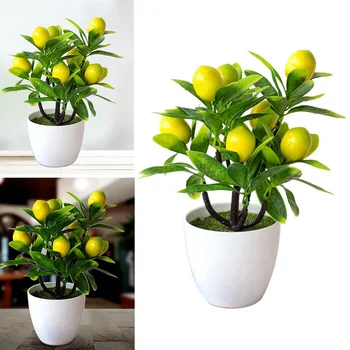
- Incorporate plants to bring in a touch of nature.
- Limit decorative items to maintain a serene environment.
The Balance
Striking the right balance between function and aesthetics means that every element in the room should complement each other. For instance, the lighting should be both practical and mood-setting, offering solutions for reading while contributing to the room’s ambiance. By thoughtfully curating each piece, you ensure that your bedroom remains a tranquil retreat.
By integrating these principles of function and aesthetics, your minimalist bedroom can become a haven of comfort and style. Explore our product collection collection for more ideas on how to enhance your space.
Creating a Welcoming Ambiance in a Simplified Kitchen
Transforming your kitchen into a sanctuary of minimalist comfort doesn’t require stripping away its essence but rather enhancing its core functionalities. The journey towards achieving a welcoming ambiance begins with decluttering. A simplified kitchen is one where every item has a purpose, and nothing is superfluous. Start by evaluating your kitchen essentials. Retain only those utensils and gadgets that you frequently use, thus reducing chaos and bringing clarity to your cooking space.
Incorporate neutral tones and natural materials to foster a sense of tranquility and openness. Wooden countertops or shelves can instantly warm up the room, while light-colored walls and cabinetry reflect natural light, making the space appear larger and more inviting. These elements collectively contribute to a serene environment, encouraging leisurely culinary explorations and intimate gatherings.
Integrating Smart Storage Solutions
To maintain simplicity while maximizing space, consider integrating smart storage solutions. This could involve installing pull-out pantry shelves or utilizing under-cabinet storage racks. Such innovations not only keep the kitchen organized but also ensure that everything you need is within easy reach, facilitating a smoother cooking experience.
Enhancing the Sensory Experience
Beyond aesthetics, focus on the sensory experience. Aromatic herbs placed by the window, gentle lighting fixtures, and soft background music can subtly enhance the ambiance, creating a cozy yet sophisticated atmosphere. These details not only engage the senses but also invite relaxation, setting the stage for memorable moments with family and friends.
Ready to transform your kitchen into a minimalist haven? Explore our product collection to find the perfect pieces to complete your space.
The Role of Texture and Color in Minimalist Comfort
In the enchanting world of interior design, minimalist comfort is a concept that intrigues many homeowners seeking simplicity without sacrificing warmth. At the heart of achieving this delicate balance are two pivotal elements: texture and color. These components are not merely decorative choices but essential tools that cultivate an atmosphere of serenity and coziness in a minimalist home.
Texture: The use of varied textures is vital in transforming a minimalist space from stark to inviting. By incorporating a mix of materials such as soft wool throws, smooth leather furniture, and natural wooden elements, a room can attain depth and interest. These textures provide tactile experiences that invite relaxation and comfort, turning a potentially cold, minimalist space into a welcoming retreat. The juxtaposition of different materials can also create visual intrigue, making the environment more dynamic and engaging.
Color: Equally influential is the color palette chosen for a minimalist setting. While neutral tones like whites, greys, and beiges dominate minimalist aesthetics, the strategic use of color can inject personality and warmth. Soft pastels or muted earth tones can add subtle vibrancy, creating a soothing ambiance without disrupting the minimalist framework. Furthermore, the interplay of light and color can enhance the mood of a room, fostering a sense of calm and comfort.
By thoughtfully integrating texture and color, homeowners can achieve a minimalist design that is both stylish and comfortable. This approach not only enhances the aesthetic appeal but also contributes to a home environment that feels lived-in and personal. Embrace the minimalist ethos by exploring our product collection, where comfort meets elegance.




0 Comments