

Home styling is an art that blends creativity with functionality, transforming a house into a home that reflects the owner’s personality and lifestyle. It starts with understanding the fundamental elements that make up a well-styled home, allowing anyone, regardless of their experience, to create a space that is both aesthetically pleasing and practical. This process does not require an extensive budget or an expert’s touch but rather a keen sense of style and an understanding of how to cohesively bring elements together.
First and foremost, focus on the balance and harmony of the space. This involves ensuring that each room has a focal point—be it a beautiful piece of furniture, an artwork, or even a statement wall—that draws the eye and sets the tone for the rest of the space. Complement these focal points with carefully chosen accessories that add layers and depth without overwhelming the senses.
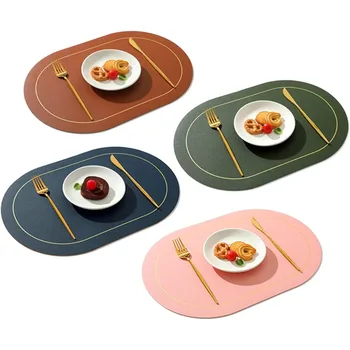
Another important aspect is the use of color and texture. Colors can dramatically alter the mood of a room, so it is essential to choose a palette that reflects the desired ambiance. Mixing textures, such as soft fabrics with sleek metals or natural wood with glass, can add visual interest and a tactile experience that enhances the overall aesthetic.
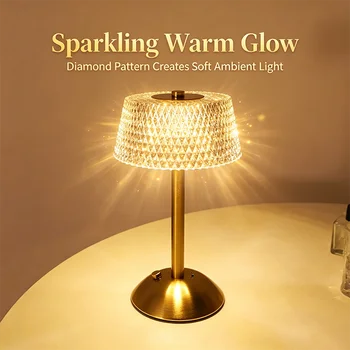
Lighting also plays a pivotal role in home styling. It is not just about illuminating a space but creating an atmosphere. The right lighting can highlight architectural features, create warmth, and even influence the perception of space.
Finally, a well-styled home should always consider the lifestyle needs of its inhabitants. Functionality should never be sacrificed for style. Ensure that the space supports daily activities and offers comfort and convenience. By integrating these elements thoughtfully, anyone can achieve a beautifully styled home that speaks to their personal taste and meets their functional needs.
Explore our product collection to find pieces that can help you achieve the perfect balance in your home styling.
Choosing a Color Palette That Reflects Your Style
When it comes to home styling, selecting a color palette that resonates with your personal taste is a fundamental step. The colors you choose can dramatically influence the ambiance of your space, reflecting not only your aesthetic preferences but also your personality and lifestyle. Whether you lean towards bold, vibrant hues or prefer soothing, neutral tones, the key is to create a harmonious blend that complements the overall theme of your home.
To begin, consider the mood you wish to evoke in each room. Warm colors like reds and oranges can create a cozy and inviting atmosphere, ideal for living rooms or dining areas where you entertain guests. On the other hand, cooler shades such as blues and greens can promote tranquility, making them perfect for bedrooms or bathrooms. Remember, the goal is to foster an environment that feels comfortable and inviting.
Once you’ve identified the mood, think about the existing elements in your home, such as furniture, artwork, and flooring. A cohesive color scheme will seamlessly incorporate these elements, enhancing their appeal rather than clashing with them. Explore color samples and swatches to visualize how different shades will interact with one another, and don’t hesitate to mix textures and patterns for added depth.
Finally, test your chosen colors in different lighting conditions. Natural light can alter the appearance of a color, so ensuring your palette looks appealing both during the day and at night is crucial. As you finalize your palette, remember that your home is a canvas for expression—choose colors that make you feel at ease and inspired.
For more inspiration and tips on styling your home, explore our product collection.
Incorporating Textures and Patterns for Depth
In the intricate dance of home styling, textures and patterns emerge as the unsung heroes, adding depth and dimension to any space. These elements, when used thoughtfully, can transform a flat, uninspiring room into a vibrant tapestry of visual intrigue. But how does one master the art of incorporating textures and patterns without overcomplicating the overall aesthetic?
Begin by considering the natural interplay between various textures. A plush velvet sofa against a backdrop of exposed brick or a sleek glass coffee table juxtaposed with a fluffy wool rug can create a harmonious balance. The key is to mix different materials to evoke a sense of layered richness. Textures can speak volumes; they invite touch and engage the senses, making a room feel more inviting and lived-in.
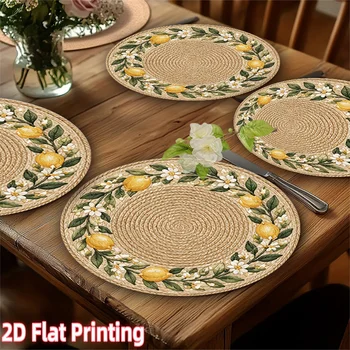
Patterns, on the other hand, are the storytellers of design. They can be bold or subtle, but their power lies in their ability to direct the eye and create focal points. Whether it’s a geometric wallpaper or a floral print cushion, patterns add character and can reflect your personal style. However, harmony is crucial. Too many conflicting patterns can overwhelm a space. A good rule of thumb is to start with a dominant pattern, complement it with a secondary pattern, and then neutralize with solid colors.
Ultimately, the art of incorporating textures and patterns is about finding a balance that enhances rather than detracts. It’s about creating a space that feels cohesive and reflective of the personality of its inhabitants. For ideas and inspiration, explore our product collection and discover how textures and patterns can redefine your living space.
Maximizing Space with Strategic Furniture Placement
Creating a harmonious home environment often begins with the thoughtful arrangement of furniture. When it comes to maximizing space, strategic furniture placement is key, allowing even the most compact of spaces to feel open and inviting. A well-considered layout not only enhances the aesthetic appeal of a room but also improves functionality, ensuring ease of movement and comfort for all who enter.
One effective strategy is to focus on multi-functional furniture. Pieces that serve more than one purpose, such as a sofa bed or an ottoman with storage, can significantly reduce clutter and open up valuable floor space. This approach is particularly beneficial in smaller homes or apartments where maximizing every square inch is crucial.
Another essential tip is to consider the flow of the room. Arrange furniture to facilitate natural movement pathways, avoiding obstacles that might disrupt the flow. Placing larger pieces against the walls can create a sense of openness, while keeping windows unobstructed will allow natural light to flood in, making the room feel larger and more welcoming.
- Utilize Vertical Space: Incorporate tall shelves or bookcases to draw the eye upward, giving the illusion of a taller room.
- Create Zones: Use rugs, lighting, or furniture to delineate different areas within an open-plan space, ensuring each zone serves a distinct purpose.
- Mirror Magic: Strategically placed mirrors can reflect light and create an impression of depth, further enhancing the room’s spaciousness.
By embracing these strategies, you can transform your home into a functional and stylish sanctuary. Remember, the ultimate goal is to create a space that reflects your personality while meeting your practical needs. Want to explore more ways to enhance your home? Visit our shop page for products and more.
Adding Personality with Accessories and Decor
Transforming a house into a home involves more than just selecting the right furniture. It’s about weaving in elements that reflect your unique personality and style. Accessories and decor are the perfect tools for this transformation, offering a canvas for creativity without overwhelming your space or budget. From vibrant throw pillows that infuse a pop of color to intricate wall art that tells a story, these elements can significantly enhance the warmth and character of any room.
Choosing the Right Accessories
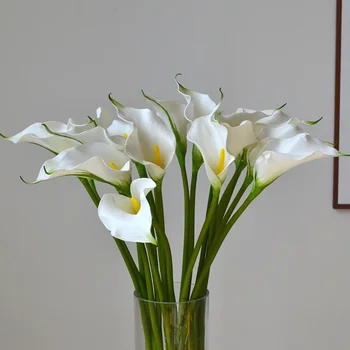
Start by focusing on accessories that resonate with your personal taste. Consider items like vases, sculptures, or candles, which can add layers of texture and interest. When selecting these pieces, think about the mood you want to evoke. Do you prefer a cozy and inviting atmosphere, or are you aiming for a sleek, modern look? The right accessories can bridge the gap between functional and aesthetic, creating a balanced harmony.
Using Decor to Define Spaces
- Wall Art: Choose art that reflects your passions and interests. Whether it’s a large abstract painting or a collection of smaller framed prints, art can serve as a focal point and conversation starter.
- Rugs and Textiles: Rugs can define areas within a room, create warmth, and add texture. Pair them with coordinating textiles, like curtains or throws, for a cohesive look.
- Lighting: Don’t underestimate the power of lighting. A statement lamp or unique light fixture can enhance the ambiance and highlight specific areas of a room.
In the end, decorating is about personal expression. Don’t be afraid to experiment with different styles and pieces until you find what feels right for you. Ready to infuse your home with personality? Explore our product collection for inspiration.



0 Comments